


Ho Chi Minh to Mui Ne by train: Schedules, Cabin Options & Travel Tips
Mui Ne is a very famous tourism destination in the southern part of Viet Nam. To reach this popular seaside town, travelers have several transportation options. Among them, traveling by train offers a comfortable and scenic alternative for those who prefer a slower and more enjoyable journey. This article by Sinh Cafe focuses on traveling from Ho Chi Minh to Mui Ne by train, providing essential information on train options, cabin types, schedules, and travel tips to help tourists choose the most suitable rail journey for their trip.
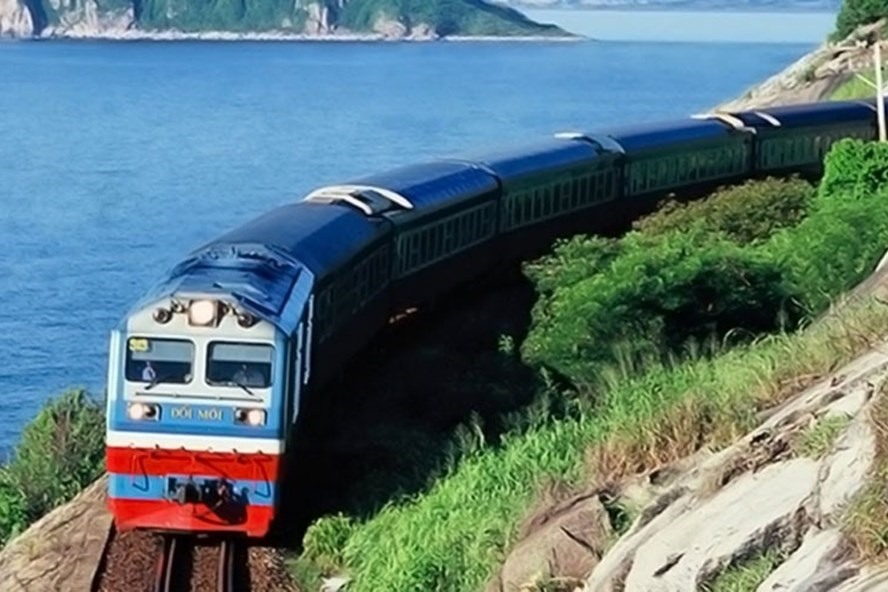
Overall about Ho Chi Minh to Mui Ne train
Traveling from Ho Chi Minh to Mui Ne by train is a convenient and comfortable option for travelers who prefer a relaxed journey combined with scenic experiences. The rail distance from Ho Chi Minh City to Binh Thuan or Phan Thiet Station is approximately 180–200 kilometers, with travel times ranging from 3.5 to 5 hours, depending on the train service. Ticket prices are generally reasonable, with average fares ranging from 150,000 to 400,000 VND, making train travel an affordable choice for many travelers.
Instead of a long and tiring road trip, passengers can enjoy a calm atmosphere on board while admiring beautiful landscapes along the way like rolling hills, paddy fields, small coastal towns,... . Afternoon trains even allow travelers to witness stunning sunsets as they approach the Mui Ne area. With multiple daily departures and various seating and sleeper options, traveling by train suits different travel styles and budgets. As a result, the train journey is not only a practical means of transportation but also an enjoyable and memorable part of the overall trip to Mui Ne.
Train vs Bus: Which is better for Mui Ne?
When planning a trip from Ho Chi Minh City to Mui Ne, travelers often hesitate between taking the train or bus. Each option has its own strengths depending on travel style, budget, and expectations. To help you make a clearer choice, the following comparison looks at three key aspects: comfort, overall travel experience, and stability
Comfort
In terms of comfort, trains generally offer a more spacious and relaxed environment compared to buses and private cars. Passengers can move around more freely, stretch their legs, and choose between seats or sleeper cabins depending on their needs. This makes train travel especially suitable for longer journeys or travelers who value personal space. Buses, while convenient, often feel more cramped, particularly on busy routes, and comfort can vary greatly depending on the service provider.
Experience
Traveling by train offers a more scenic and memorable experience on the way to Mui Ne. Passengers can enjoy views of the countryside, small towns, and changing landscapes throughout the journey, making the trip feel relaxed and less tiring. In contrast, buses usually travel via expressways, which are faster but can feel quite monotonous, with limited scenery along the route.
Stability
Trains are generally considered a more stable and predictable option when traveling from Ho Chi Minh City to Mui Ne. They run on fixed schedules and are less affected by traffic congestion, accidents, or peak-hour delays, which are common issues for buses and private cars, especially on weekends and holidays. While buses may arrive earlier in some cases, their travel time can vary depending on road conditions
Train options from Ho Chi Minh to Mui Ne
Train options from Ho Chi Minh City to Mui Ne offer travelers a comfortable and reliable way to reach this popular beach destination. Although there is no direct train to Mui Ne, several North–South railway services stop at nearby stations, giving visitors flexible choices depending on their schedule and travel style. Below are some of the most common trains tourists consider for this route.
The SE22 train
The SE22 train typically departs from Ho Chi Minh City in the late morning, making it a suitable option for travelers who prefer daytime travel. As part of the North–South express (SE) train system, this train is designed for long-distance routes and is known for relatively stable schedules and a smoother ride compared to local services.
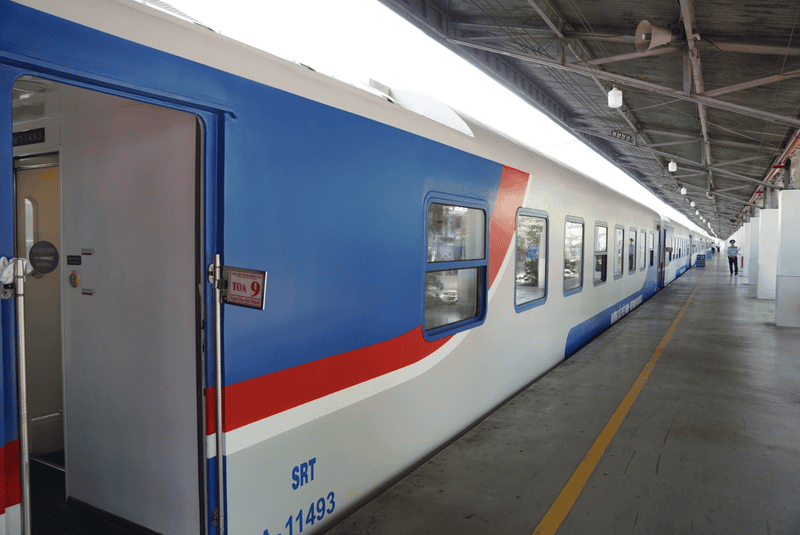
SE22 train (Source: Thanh nien newspaper)
This train departs from Saigon Station at around 10:15 AM and arrives at Binh Thuan Station at approximately 2:11 PM, which offers a convenient schedule for travelers continuing to Mui Ne by road.
The SE10 train
The SE10 train departs from Ho Chi Minh City in the early afternoon and is a good option for travelers who want to reach the Mui Ne area in time to enjoy the sunset. The journey is generally smooth and comfortable, with scenic views along the way. The train leaves Saigon Station at around 1:20 PM and arrives at Binh Thuan Station at approximately 5:22 PM, making it easy to continue the trip to Mui Ne shortly after arrival.
The TN2 train
TN02 also departs from Ho Chi Minh City in the early afternoon with a schedule similar to SE10, allowing travelers to reach the Mui Ne area in the late afternoon. However, TN02 is a slower train and is usually very crowded, as it serves a large number of passengers. For this reason, travelers are strongly advised to book tickets in advance to secure a seat and ensure a more comfortable journey.
TN 02 train (Source: Lao Dong newspaper)
The SE6 train
SE6 departs from Ho Chi Minh City at around 9:00 AM and arrives at Binh Thuan Station at approximately 12:30 PM. As a fast train, SE6 offers a slightly shorter travel time compared to slower services, making the journey more efficient and comfortable. Thanks to its early arrival, travelers have plenty of time in the afternoon to enjoy beach activities and experience the beautiful sunset in Mui Ne.
The SPT2 train
SPT2 is the most modern train on the Ho Chi Minh City–Phan Thiet route, offering a comfortable and high-quality travel experience. This train departs from Saigon Station at around 6:40 AM and arrives at Phan Thiet Station at approximately 10:28 AM, allowing travelers to reach Mui Ne in time for lunch. With upgraded facilities and a direct route, SPT2 is an excellent choice for those who value comfort, convenience, and a smooth journey.
SPT2 train (Source: Vietnam national authority of tourism)
Read more: How to travel from Ho Chi Minh to Mui Ne
Train cabin options
When traveling by train from Ho Chi Minh to Mui Ne, passengers can choose from several cabin and seating options to suit different budgets and comfort preferences. From basic soft seats to sleeper cabins with varying levels of privacy, each option offers a different travel experience. Understanding these cabin types will help travelers select the most suitable choice for a comfortable and enjoyable journey.
6-berth sleeper cabin:
The 6-berth sleeper cabin (BNL) offers a basic level of comfort with thin mattresses and simple facilities, suitable for resting during the journey rather than a luxury experience. Privacy is limited, as six berths are shared in one cabin and passengers may travel with strangers, especially during peak periods.
This option is usually the most affordable among sleeper cabins, making it popular with budget travelers. The ticket price for this cabin is 245,000 – 400,000 VND, which is best suited for students, backpackers, and groups of friends who want to save on costs and do not mind sharing space.
4-berth sleeper cabin:
The 4-berth sleeper cabin (ANL) provides a higher level of comfort with thicker mattresses and a more spacious layout compared to 6-berth cabins. With only four berths in each cabin, it offers better privacy and a quieter environment, making the journey more relaxing.
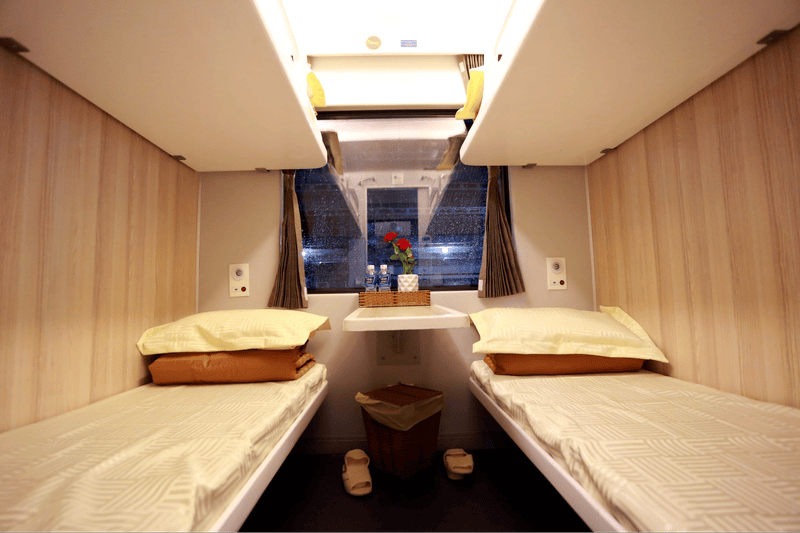
4-berth sleeper cabin (Source: Thanh nien newspaper)
This option is a little bit more expensive than a 6-berth sleeper cabin, about 350.000 to 450.000 VND. This is often considered the standard sleeper choice on Vietnamese trains. It is well suited for couples, small groups, or travelers who want a balance between comfort, privacy, and cost.
VIP 2-berth cabin:
The VIP 2-berth cabin offers the highest level of comfort and privacy on the train, featuring spacious berths, thick mattresses, and a quiet, well-designed interior. With only two berths per cabin, it provides maximum privacy and a more exclusive travel experience.
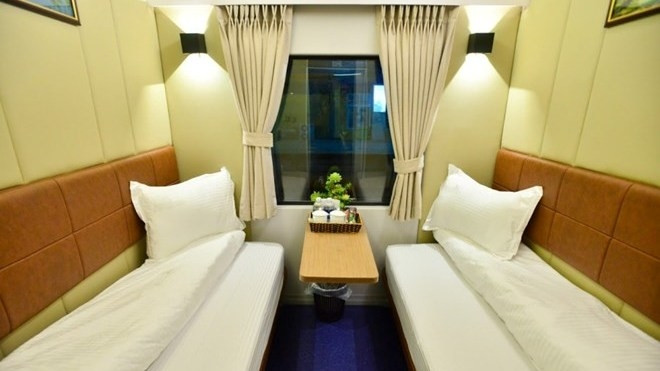
VIP 2-berth cabin (Source: Nhan dan newspaper)
This is the most premium cabin option and is usually priced higher than standard sleeper cabins, which is about 1.000.000 VND to 2.000.000 VND. It is best suited for couples, families with young children, or travelers who value comfort, privacy, and a relaxed journey.
Air-conditioned soft seats:
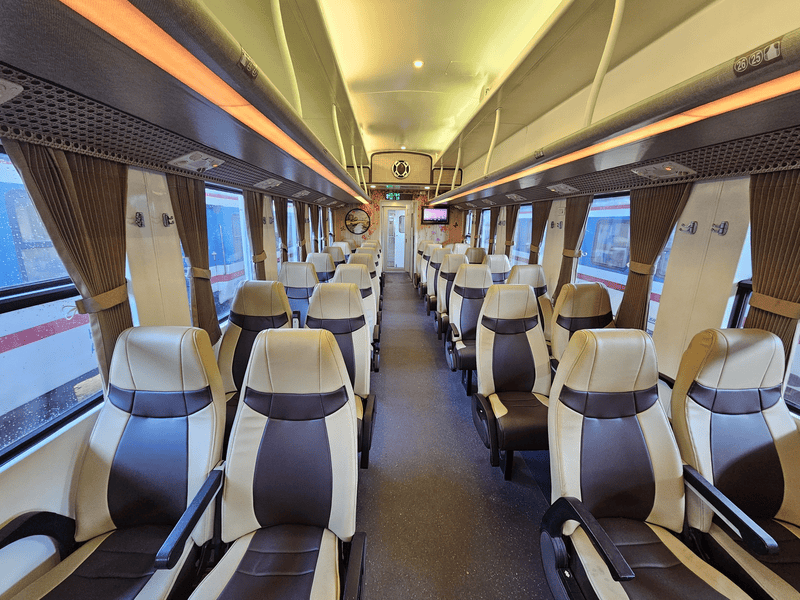
Air-conditioned soft seats provide a comfortable seating option with cushioned chairs and adjustable backrests, suitable for daytime travel. While privacy is limited compared to sleeper cabins, the open seating layout allows for a relaxed and airy atmosphere.
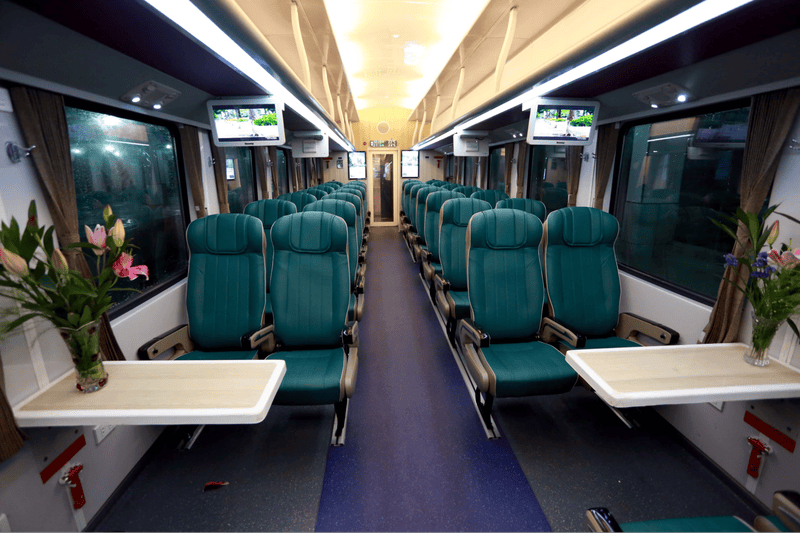
Soft seats on the train (Source: Thanh nien newspaper)
This option is generally more affordable than sleeper cabins, only 120,000 – 200,000 VND. It is best suited for solo travelers, budget-conscious passengers, or those who prefer to stay seated and enjoy the scenery during the trip.
For travelers who want a worry-free journey, Sinh Cafe offers support in choosing the right train and cabin option, along with reliable transfer services to Mui Ne. With experience in arranging transportation from Ho Chi Minh City to Mui Ne, we can assist you in selecting the most suitable train, cabin type, and onward transfer for a smooth and hassle-free journey. Contact Sinh Cafe for personalized advice and convenient booking support.
Read more: Explore Ben Tre: Top experiences, local specialties & travel tips
How to get from the train station to Mui Ne?
After arriving at Binh Thuan or Phan Thiet Station, travelers still need to travel a short distance to reach Mui Ne. Fortunately, there are several convenient transfer options available, depending on your budget, group size, and travel style. From quick and comfortable taxis to tourist shuttle buses and more adventurous choices, getting from the train station to Mui Ne is simple and flexible.
By taxi
Taking a taxi is a quick and convenient way to travel from the train station to Mui Ne, especially for travelers with luggage or those who prefer a direct transfer. From Phan Thiet Station, the journey usually takes around 25–35 minutes, with fares ranging from 180,000 to 250,000 VND per car.
If arriving at Binh Thuan Station, the travel time is longer, about 45–60 minutes, and taxi fares typically range from 300,000 to 400,000 VND, depending on traffic and the exact destination in Mui Ne.
By tourist bus
Tourist buses and shuttle services are a popular and cost-effective way to travel from the train station to Mui Ne, especially for independent travelers. Many travel companies operate scheduled transfers from Phan Thiet or Binh Thuan Station directly to hotels and resorts in Mui Ne. The journey usually takes around 45–60 minutes, depending on pick-up points and traffic. Ticket prices are generally more affordable than taxis, making this option ideal for solo travelers or those looking for a balance between comfort and cost.
By motorbike
Renting a motorbike is a great option for travelers who want to explore Mui Ne independently and enjoy a more hands-on travel experience. This option is especially popular among young travelers and those who enjoy freedom on the road. Rental prices usually range from 120,000 to 180,000 VND per day, depending on the bike type and rental duration.
However, travelers must have a valid driving license and should be confident in their riding skills. While riding a motorbike offers flexibility and a more immersive way to experience Mui Ne, it may not be suitable for travelers with heavy luggage or limited riding experience.
Frequently Asked Questions (FAQ)
Before planning your train journey from Ho Chi Minh City to Mui Ne, travelers often have a few common questions regarding booking, schedules, and onboard experience. The following frequently asked questions aim to clarify important details and help you prepare for a smooth and enjoyable trip.
How far in advance should you book?
It is recommended to book train tickets at least 5–7 days in advance, especially during weekends, holidays, or peak travel seasons. Popular trains and better seats often sell out quickly, so early booking helps ensure availability and preferred cabin options. Tickets for the Saigon–Phan Thiet route can be booked through the official Vietnam Railways website, directly at Saigon Station, or via reputable travel agencies. Booking online or through a trusted agent can help travelers avoid queues and ensure a smoother booking experience.
Is it suitable for children or elderly travelers?
Yes, traveling by train can be suitable for both children and elderly travelers, particularly when choosing 4-berth sleeper cabins or VIP cabins for better comfort and privacy. Trains offer more space to move around compared to buses, making the journey more relaxed.
What to bring on the train?
Travelers should bring personal identification, snacks, drinking water, basic toiletries, and entertainment such as books or headphones. For sleeper cabins, a light jacket or scarf can be useful as air conditioning may feel cold.
Do afternoon trains offer lunch?
Some afternoon trains provide onboard meal services or snack carts, but availability and quality may vary. To be safe, it is advisable to prepare light meals or purchase food before boarding the train.
Traveling by train from Ho Chi Minh City to Mui Ne is a comfortable and scenic option that suits many types of travelers. With flexible schedules and various cabin choices, the journey can be easily tailored to different travel plans and preferences.
For personalized advice and convenient booking assistance, feel free to contact Sinh Cafe through our hotline 84904488850 or our website. We are ready for all your questions.
Share via




Related articles

Discover Mui Ne Red Sand Dunes - The most iconic landscape of Vietnam’s coast
Blog | 19/10/2025

How to travel from Ho Chi Minh to Mui Ne
Posts | 29/01/2026
Explore Mui Ne Markets: Your Local Shopping Guide
Posts | 28/10/2025

Mui Ne Surfing: Everything you need to know before you ride the waves
Posts | 29/10/2025








There are no reviews yet