


Bus from Ho Chi Minh City to Mui Ne: Tickets, Prices & Guide
Traveling by bus from Ho Chi Minh City to Mui Ne is one of the easiest and most budget-friendly ways to reach this popular beach destination. With multiple departures daily, comfortable vehicle options, and affordable ticket prices, buses provide a practical solution for both first-time visitors and experienced travelers. This guide covers everything you need to know, from travel time and bus types to booking tips, so you can plan your trip with confidence and enjoy a seamless journey to the coast.
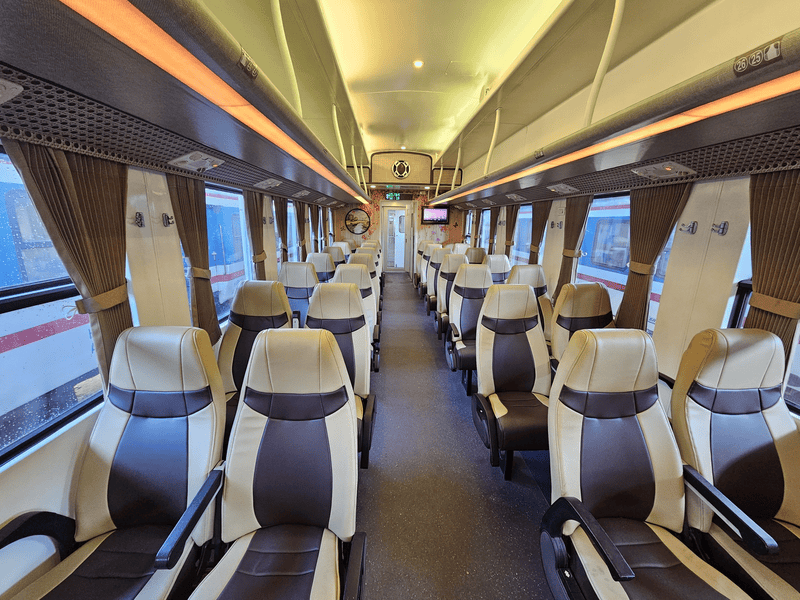
Traveling by bus from Ho Chi Minh City to Mui Ne is one of the easiest and most budget-friendly ways to reach this popular beach destination. With multiple departures daily, comfortable vehicle options, and affordable ticket prices, buses provide a practical solution for both first-time visitors and experienced travelers. This guide covers everything you need to know, from travel time and bus types to booking tips, so you can plan your trip with confidence and enjoy a seamless journey to the coast.
Top reasons why you should take a bus from Ho Chi Minh to Mui Ne
Traveling by bus from Ho Chi Minh to Mui Ne has become a preferred choice for many travelers thanks to its strong balance of price, comfort, and accessibility. Covering a distance of about 203 kilometers, the journey is straightforward, and modern bus services make it easier than ever to move between the energetic streets of Ho Chi Minh City and the laid-back coastal atmosphere of Mui Ne. Here are the top reasons why taking the bus is a smart travel decision.
Affordable without compromising comfort
One of the biggest advantages of traveling by bus is the cost. Tickets are significantly cheaper than private cars while still providing essential amenities such as air conditioning, reclining seats, blankets, and occasionally onboard Wi-Fi. This makes buses an excellent option for travelers who want comfort while keeping their transportation budget under control.
Frequent departures for flexible planning
Bus operators run multiple trips throughout the day, including morning, afternoon, and evening departures. This flexibility allows you to choose a schedule that fits your itinerary, whether you prefer arriving early to maximize your beach time or traveling later in the day after exploring Ho Chi Minh City.
Modern sleeper and limousine options
Long-distance buses in Vietnam have improved dramatically in recent years. Sleeper buses allow passengers to lie back and relax during the 4–6 hour journey, while limousine vans provide wider seats and extra legroom for a more premium experience. These upgraded designs help reduce travel fatigue so you can arrive feeling refreshed.
Convenient pickup and drop-off locations
Many bus companies offer pickup services in central districts such as District 1, saving you from navigating large transportation hubs. Upon arrival, buses typically stop near Mui Ne’s main resort strip or in Phan Thiet, making it easy to reach your accommodation without arranging additional transfers.
A relaxing way to transition between destinations
Rather than focusing on driving or coordinating complex travel plans, taking the bus allows you to simply sit back and enjoy the journey. As the urban landscape gradually gives way to coastal scenery, the ride becomes part of the travel experience — offering a smooth transition from the fast pace of the city to the calm rhythm of the seaside.
Overall, choosing a bus is one of the easiest and most reliable ways to travel between Ho Chi Minh City and Mui Ne. It combines value, convenience, and improved comfort, making it a dependable option for both first-time visitors and seasoned travelers.
Read more: Ho Chi Minh to Mui Ne by train: Schedules, Cabin Options & Travel Tips
Distance and travel time from Ho Chi Minh City to Mui Ne
Understanding the distance and travel duration helps you plan your journey more efficiently when taking a bus from Ho Chi Minh to Mui Ne. The two destinations are located approximately 203 kilometers apart, making the route manageable for a half-day trip without requiring complex travel arrangements.
On average, the journey takes around 4 to 6 hours, depending on traffic conditions, the type of bus you choose, and the number of scheduled stops along the way. Limousine vans and express services are often slightly faster because they typically carry fewer passengers and make fewer breaks, while traditional sleeper buses may take longer due to additional pickup points.
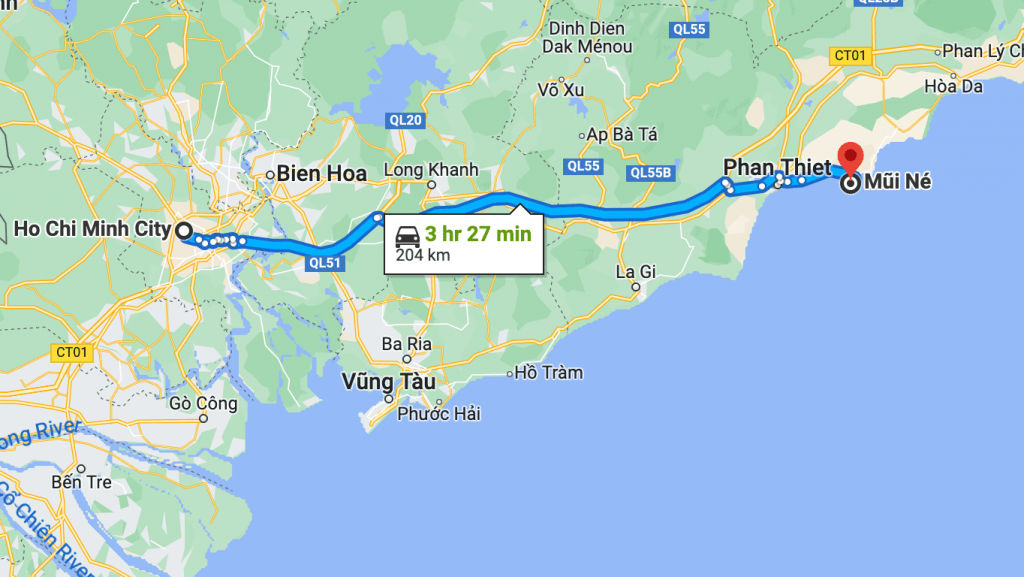
Distance and travel time from Ho Chi Minh City to Mui Ne
Road infrastructure has improved significantly in recent years, especially with the expansion of modern highways connecting Ho Chi Minh City to the coastal region. These smoother routes help reduce travel time and create a more comfortable ride compared to the past, when journeys could stretch much longer.
It is also worth noting that departure timing can influence your total travel duration. Leaving early in the morning or during non-peak hours usually means lighter traffic when exiting the city, while late afternoon departures may take longer due to congestion. Weekend and holiday travel can further increase journey times, so planning ahead is recommended if your schedule is tight.
Overall, the relatively short distance is one of the reasons buses are such a popular transportation choice. You can depart from the busy urban center and arrive at Mui Ne’s beaches within just a few hours, an easy transition from city energy to coastal relaxation.
Types of buses from Ho Chi Minh City to Mui Ne
Today, the route from Ho Chi Minh City to Mui Ne offers several transportation options ranging from standard sleeper buses to more premium vehicles. Each type delivers a different travel experience, so understanding the distinctions can help you choose wisely rather than relying solely on ticket price. The insights below reflect common traveler feedback, particularly from international visitors, who often pay close attention to comfort, personal space, and service reliability.
Sleeper Bus (Traditional Sleeping Coach)
For many travelers, the sleeper bus is the most recognizable long-distance transport option in Vietnam. Instead of upright seats, the vehicle is arranged with reclining berths that allow passengers to lie back during the journey. On a trip lasting roughly 4–6 hours, this design can significantly reduce fatigue compared to sitting the entire time.
What draws most people to sleeper buses is their practicality. The fare is typically affordable while still covering essential comforts such as air conditioning, blankets, and occasionally charging ports. However, the onboard experience can vary. Some international travelers note that the berths tend to suit smaller body frames; passengers taller than about 1.8 meters may need to bend their legs slightly. Others mention that driving styles and road noise can influence how well they sleep, especially on busy highways.
That said, for travelers who view transportation as a functional part of the trip rather than a luxury experience, sleeper buses remain a dependable middle ground between cost and convenience.
VIP Cabin Sleeper (Private Pod-Style Bus)
Unlike the traditional sleeper layout, VIP cabin buses focus on privacy. Each passenger has an individual compartment, often separated by curtains or partitions, creating a space that feels more personal and less exposed. Many travelers report sleeping better in this setup because it minimizes light and movement from nearby passengers.
The overall atmosphere is typically more refined, with newer vehicles and a tidier interior arrangement that contributes to a calmer ride. This makes the cabin sleeper particularly appealing if you want to conserve energy for your beach getaway rather than arrive feeling drained.
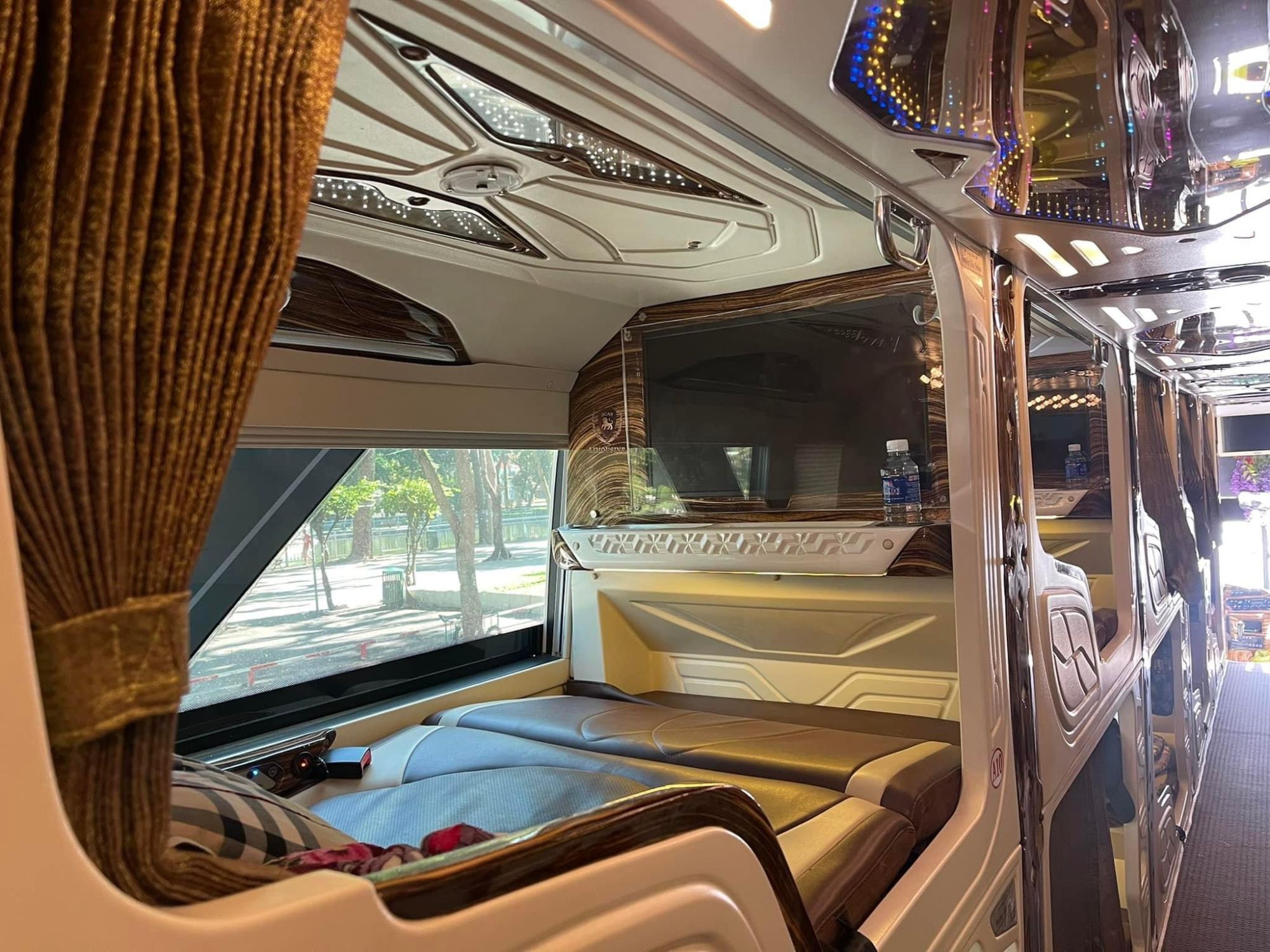
VIP Cabin Sleeper (Private Pod-Style Bus) (Source: Collected)
Naturally, the upgraded environment comes with a higher ticket price. And while the compartments are more comfortable than standard berths, they still cannot fully replicate the openness of a real bed. Even so, when weighing the additional cost against the quality of rest, many travelers consider the cabin sleeper a worthwhile upgrade for journeys longer than a few hours.
Limousine Van (Premium Reclining Seats)
Not everyone enjoys sleeping on shared coaches, which is why limousine vans have grown increasingly popular. Instead of bunk-style beds, these vehicles feature oversized reclining seats with generous legroom. With fewer passengers onboard, the cabin tends to feel quieter and more spacious, an aspect frequently appreciated by international visitors comparing it to larger buses.
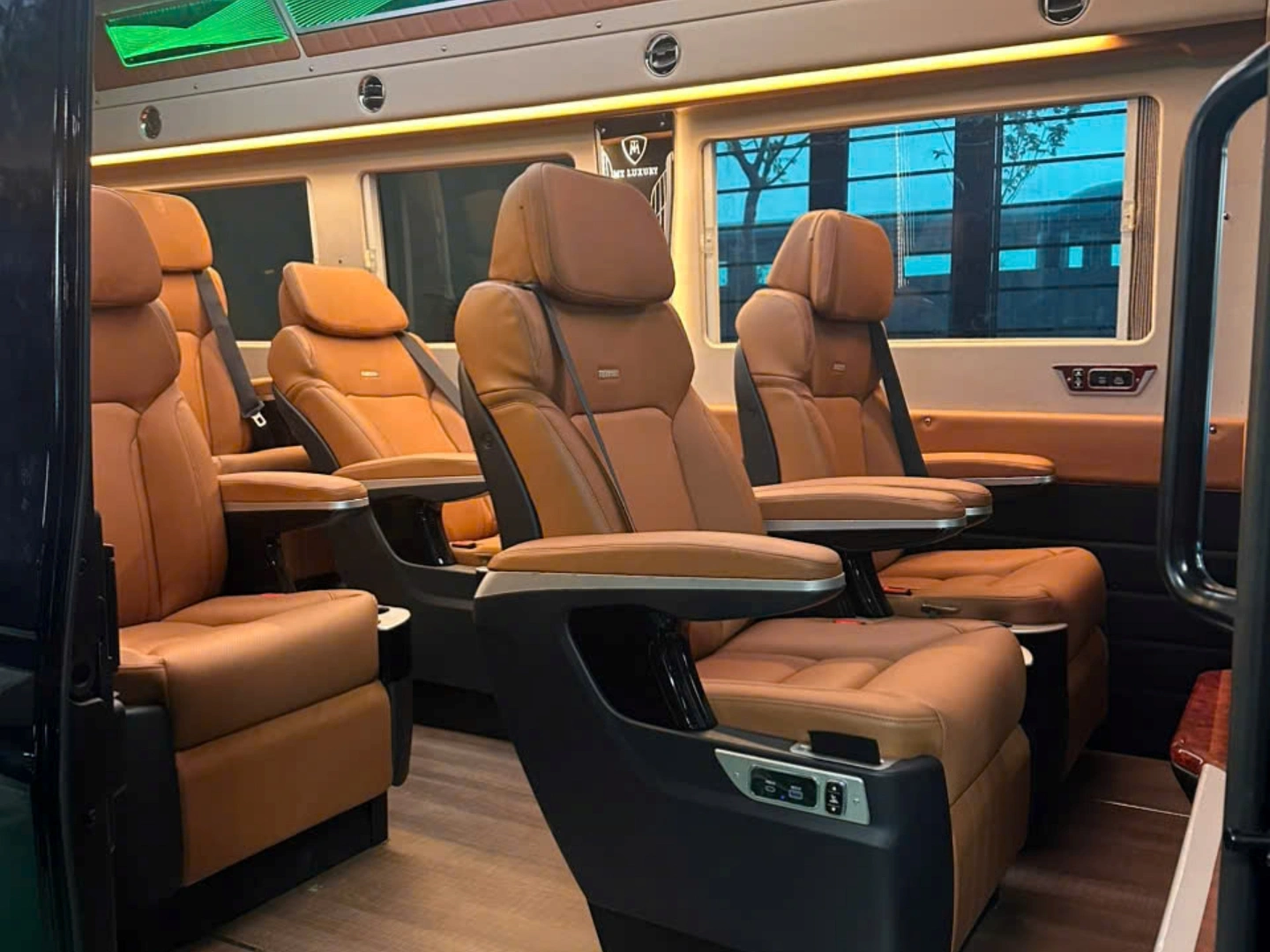
Limousine Van (Premium Reclining Seats) (Source: Sapa Nomads)
Trips on limousine vans often feel smoother overall. Boarding is usually faster, stops are less frequent, and the smaller passenger count contributes to a more organized environment. For travelers who prioritize stability or are new to long-distance road travel in Southeast Asia, this option can feel reassuring.
The main trade-off is price, which is generally higher than that of sleeper buses. Additionally, even though the seats are comfortable, achieving deep sleep while seated is not always easy. As a result, limousine vans are often ideal for daytime travel but may be less appealing for overnight journeys if quality sleep is your priority.
Seater Bus (Standard Coach)
Compared to the past, traditional seater buses are now less common on this route, largely because the price gap between them and sleeper buses is relatively small. Still, they maintain a niche for travelers who prefer simplicity or want to minimize expenses.
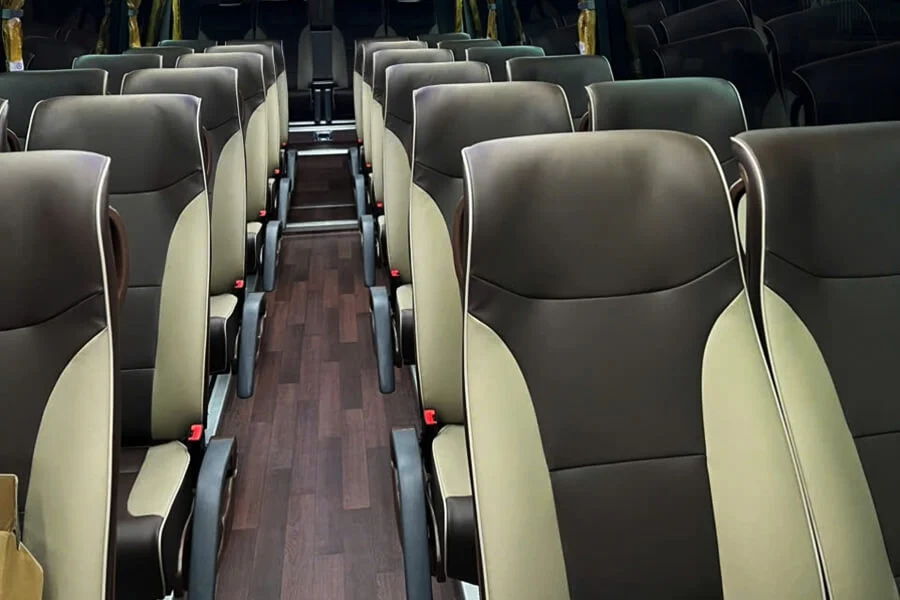
Seater Bus (Standard Coach) (Source: Vietnam Drive)
The experience is straightforward: you remain seated for the duration of the trip, with fewer added features but also fewer complexities. For daytime travelers planning to enjoy the scenery or listen to music along the way, this may not pose much of a challenge. On the other hand, sitting continuously for several hours can become tiring, especially on a full bus.
For this reason, many international travelers lean toward sleeper or limousine options, finding that a modest increase in cost can noticeably improve overall comfort.
Read more: How to travel from Ho Chi Minh to Mui Ne
Ticket prices of bus from Ho Chi Minh City to Mui Ne
Understanding ticket prices in advance can help you plan your travel budget more effectively when booking a bus from Ho Chi Minh City to Mui Ne. Fortunately, this route is known for being relatively affordable compared to private transfers, while still offering a range of comfort levels to match different travel styles.
Typical price range
Ticket prices for buses between Ho Chi Minh City and Mui Ne are generally considered affordable, especially when compared to private cars or door-to-door transfers. While the exact fare depends on the type of vehicle and service quality, most travelers can expect several options that balance cost with comfort. The table below provides a quick overview of common price ranges to help you estimate your transportation budget before booking.
|
Bus Type |
Estimated Price (One Way) |
|
Seater bus |
150,000 – 220,000 VND |
|
Sleeper bus |
180,000 – 300,000 VND |
|
VIP cabin sleeper |
250,000 – 400,000 VND |
|
Limousine van |
300,000 – 450,000 VND |
These prices usually include basic amenities such as air conditioning and luggage storage. Some higher-end services may also provide bottled water, wet tissues, or hotel pickup within central districts.
What influences the ticket price?
Several factors can affect how much you ultimately pay. Travel season plays a major role, fares often rise during Tet (Lunar New Year) or national holidays when buses fill quickly. Departure time can also matter, as evening or more convenient schedules occasionally cost more.
Vehicle quality is another consideration. Newer buses with upgraded interiors or fewer passengers typically fall on the higher end of the price spectrum, but many travelers feel the additional comfort is worth the difference for a journey of several hours.
When should you book?
For regular weekdays, booking 1–2 days in advance is usually sufficient. However, if your trip falls on a weekend or during peak tourist periods, reserving earlier can help secure your preferred seat type and departure time.
Online booking platforms and travel agencies make the process straightforward, and e-tickets are commonly accepted, eliminating the need to print documents in most cases.
Best bus companies from Ho Chi Minh City to Mui Ne
Choosing the right operator can make a noticeable difference in your overall travel experience. While most buses on the Ho Chi Minh City – Mui Ne route follow similar schedules, service quality, vehicle condition, punctuality, and customer support can vary between companies. Many travelers, especially international visitors, tend to prioritize reliability, clear booking processes, and comfortable interiors when selecting a bus provider.
Futa Bus Lines (Phuong Trang)
Futa Bus Lines is one of Vietnam’s largest transportation providers and is often recognized for its organized operations. The company runs modern sleeper buses with relatively consistent standards, and departures are usually frequent throughout the day.
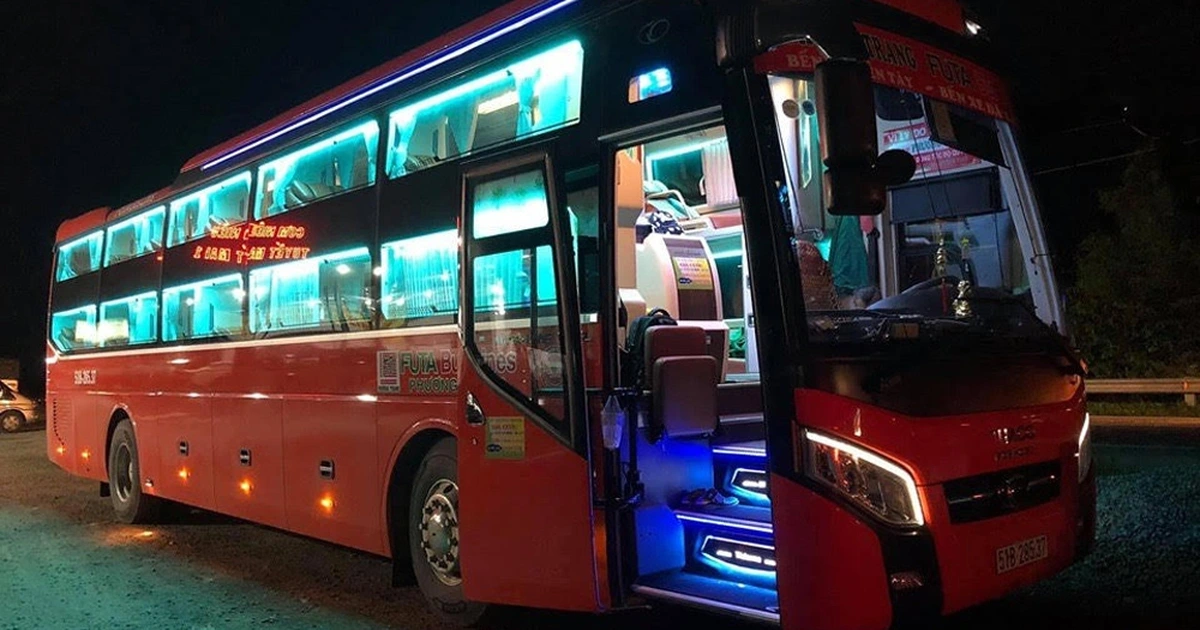
Futa Bus Lines (Phuong Trang) (Source: Futa)
Travelers commonly appreciate the structured boarding process and the overall condition of the vehicles. While the experience may not feel luxurious, it is generally dependable — making it a safe choice for first-time visitors who want minimal uncertainty when traveling between cities.
Hanh Cafe
Hanh Cafe has long been associated with backpacker routes across southern Vietnam. Its services typically focus on convenience, including pickup points near popular tourist areas such as District 1. Many foreign travelers choose this operator because booking is straightforward and staff are accustomed to assisting international guests. The atmosphere tends to be practical rather than upscale, but for those seeking a simple and efficient transfer, it often meets expectations.
Kumho Samco
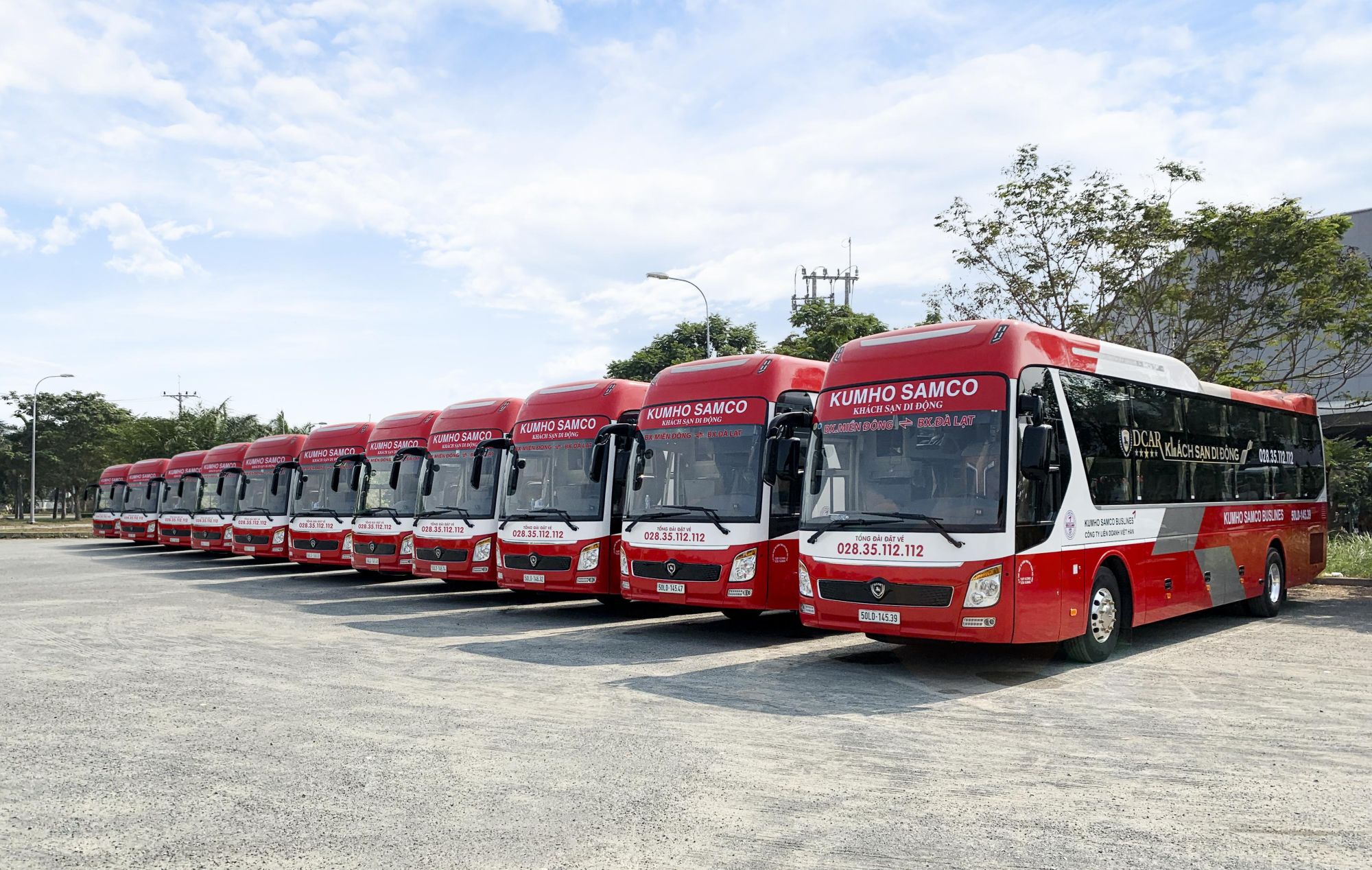
Kumho Samco (Source: Kumho)
Kumho Samco is another established brand offering intercity routes in southern Vietnam. The company is often associated with reasonable fares and fairly consistent service quality. Although it may not always be the first name mentioned in travel forums, many passengers find it a practical alternative when preferred departure times on other operators are unavailable.
Lien Hung
Lien Hung has gained attention for its upgraded sleeper buses, some of which feature newer interiors and improved berth layouts. The company focuses on enhancing passenger comfort while keeping fares within a reasonable range.
Many travelers note that the buses feel relatively clean and well-maintained, making them a good middle-ground option between budget and premium services.
G5Car / Luxury Limousine ervices
For those seeking a quieter and more spacious journey, limousine providers such as G5Car offer an upgraded experience with wide reclining seats and fewer passengers onboard. These services often emphasize comfort and smoother transfers, which can be particularly appealing after a long flight or before the start of a beach vacation.
Although ticket prices are higher, travelers who value personal space and a calmer environment frequently find the upgrade worthwhile.
Sinh Cafe

Sinh Cafe transportation service
For travelers who prefer a more tailored experience, SinhCafe provides comprehensive Vietnam transport services designed to accommodate different travel styles. Instead of limiting you to a fixed bus schedule, the company offers a variety of well-maintained vehicles suitable for solo travelers, couples, families, and larger groups. With options ranging from comfortable sleeper buses to private transfers, you can choose the level of convenience that best matches your itinerary. This flexibility is especially helpful if you are traveling with extra luggage, coordinating airport pickups, or planning a multi-stop journey.
How to Book Bus Tickets from Ho Chi Minh City to Mui Ne
Booking a bus from Ho Chi Minh City to Mui Ne is a straightforward process thanks to the wide availability of online platforms, travel agencies, and operator websites. Whether you prefer planning ahead or making flexible travel decisions, understanding your booking options can help you secure the best seats and avoid last-minute stress.
Book online for convenience
Online booking has become the preferred method for many travelers, especially international visitors. It allows you to compare schedules, seat types, amenities, and prices within minutes. Most platforms provide e-tickets that can be shown on your phone, eliminating the need for printed documents.
Reserving online is particularly recommended during weekends, public holidays, or peak travel seasons when buses can fill up quickly. It also gives you more control over berth selection — such as choosing a lower sleeper for easier access.
Book through travel agencies
Travel agencies in central Ho Chi Minh City remain a dependable option, particularly for travelers who prefer speaking with a real person before confirming their ticket. Staff can explain the differences between bus types, departure points, and travel durations, helping you select the option that best fits your schedule and comfort expectations. This approach is especially helpful if it is your first time traveling in Vietnam or if you want extra reassurance before departure.
One trusted choice is Sinh Cafe, a long-established travel agency known for supporting both domestic and international travelers. Beyond standard ticket booking, the agency can assist with transportation planning, recommend suitable bus types, and coordinate pickups — making the entire process smoother and more organized.
Book directly with bus operators
If you already know which company you prefer, booking directly through the operator can sometimes provide the most accurate schedule information. This approach reduces the risk of miscommunication and may offer better clarity on pickup points and baggage policies.
However, always double-check confirmation details — including departure location and time — to ensure everything matches your plan.
Try to reserve your ticket at least a few days in advance if traveling during busy periods. Keep a screenshot of your ticket, arrive early, and confirm pickup arrangements the day before departure. A little preparation can go a long way toward ensuring a smooth travel experience.
Best time to travel by bus from Ho Chi Minh City to Mui Ne
Timing your bus journey wisely can significantly improve comfort and reduce travel fatigue. While buses operate year-round, certain times of day — and even certain seasons — tend to offer a smoother ride. Leaving early is often the smartest strategy. Morning buses typically encounter lighter traffic when exiting the city, which can shorten travel time and create a calmer atmosphere onboard. Arriving in Mui Ne around midday also gives you the opportunity to check into your accommodation and enjoy the afternoon by the beach.
Best time to travel by bus from Ho Chi Minh City to Mui Ne (Source: Collected)
Late afternoons — especially on Fridays — often coincide with commuters leaving the city, increasing the likelihood of congestion. Vietnamese holidays and long weekends can also lead to crowded buses and extended travel times.
Mui Ne enjoys warm weather most of the year, but the dry season (roughly November to April) tends to attract more visitors. Booking transportation early during these months is a smart move to secure your preferred departure. Ultimately, the best time to travel is when your schedule aligns with lighter traffic and lower demand. Choosing the right departure window can make the journey feel far more relaxed from start to finish.
FAQs about taking the bus from Ho Chi Minh City to Mui Ne
Planning transportation often comes with practical questions. Below are some of the most frequently asked questions to help you travel with confidence.
How long is the bus ride from Ho Chi Minh City to Mui Ne?
The journey usually takes 4–6 hours, depending on traffic, weather conditions, and the number of stops along the route.
Is taking a bus a safe option?
Yes, buses are generally considered safe and widely used by both locals and tourists. Choosing reputable companies and newer vehicles can further enhance your sense of security.
Are sleeper buses comfortable?
Most modern sleeper buses provide enough comfort for a mid-length trip, with reclining berths and air conditioning. Travelers seeking extra space or privacy may prefer VIP cabin buses or limousine vans.
Can international travelers book tickets easily?
Absolutely. Many booking platforms and agencies cater specifically to foreign visitors, offering English-language support and digital tickets.
Do buses have luggage space?
Yes, buses typically include storage compartments for suitcases and larger bags. Still, keeping valuables in a smaller carry-on is recommended.
Are there rest stops during the journey?
Most routes include at least one short stop, allowing passengers to use the restroom or purchase snacks before continuing.
Should I choose a bus, train, or private car?
Buses remain the most budget-friendly and convenient option for most travelers. Private cars provide more flexibility but come at a higher cost, while train routes require additional transfers to reach Mui Ne.
Is it necessary to book in advance?
While tickets may be available on the day of travel, booking ahead is strongly advised during busy periods to guarantee your preferred seat and schedule.
Taking the bus from Ho Chi Minh City to Mui Ne offers a convenient balance of cost, comfort, and flexibility, making it a smart choice for many travelers. By selecting the right bus type, booking in advance, and choosing a suitable departure time, you can turn a simple transfer into a relaxed start to your beach getaway. With good preparation, the journey becomes more than just transportation — it sets the tone for a memorable experience in Mui Ne.
Share via




Related articles

6-Day Vietnam Slow Travel Itinerary for Couples
Posts | 16/06/2026

Mui Ne to Dalat - Best ways to travel
Blog | 06/05/2026

Travel to Vietnam with Kids: The Complete Family Travel Guide
Posts | 26/06/2026

Phan Thiet night market: The ultimate guide for first-time visitors
Posts | 25/04/2026








There are no reviews yet